Bitcoin Mining: The Missing Puzzle in Global Energy Transformation – A Primer on Stabilizing Energy Grids
Introduction
Disclaimer: This blog post was created as part of the Bitcoin Talents Program at Frankfurt School of Finance & Management. The insights and opinions shared here are intended to inform and engage the public. They do not constitute financial advice. Readers are encouraged to conduct their own research before making any investment decisions.
When most people think of Bitcoin mining, they picture whirring computers, soaring energy bills, and headlines warning of environmental disaster. But a new narrative is emerging-one in which Bitcoin mining isn’t just an energy consumer, but a powerful tool for stabilizing and modernizing our electricity grids.
The Energy Paradox of Bitcoin
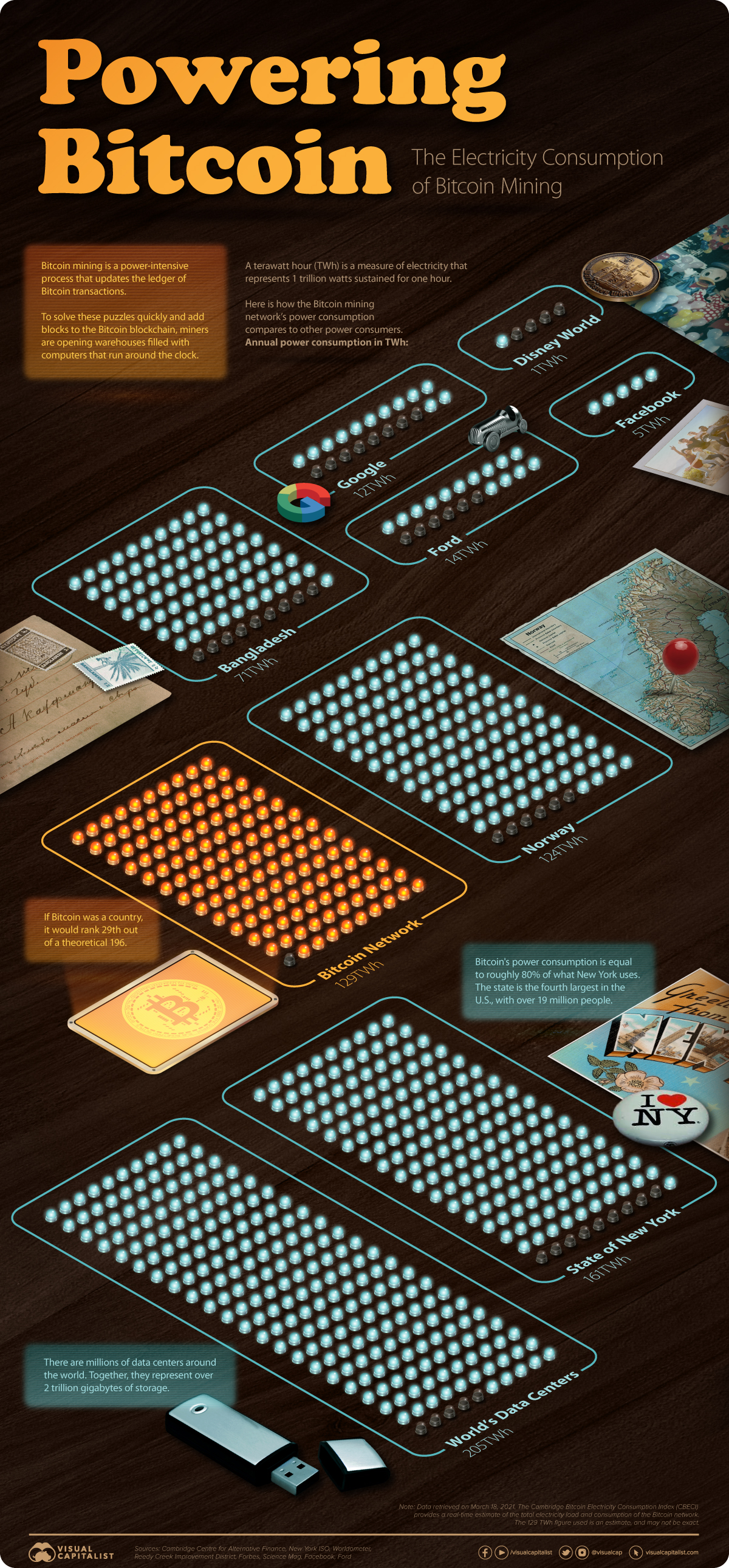 Electricity Consumption of Bitcoin Mining (Source: Visual Capitalist)
Bitcoin mining has long been criticized for its energy consumption. The process of validating transactions and securing the network requires vast amounts of computational power, leading to concerns about carbon footprints and wasted resources. Yet, beneath the surface, a quiet revolution is underway.
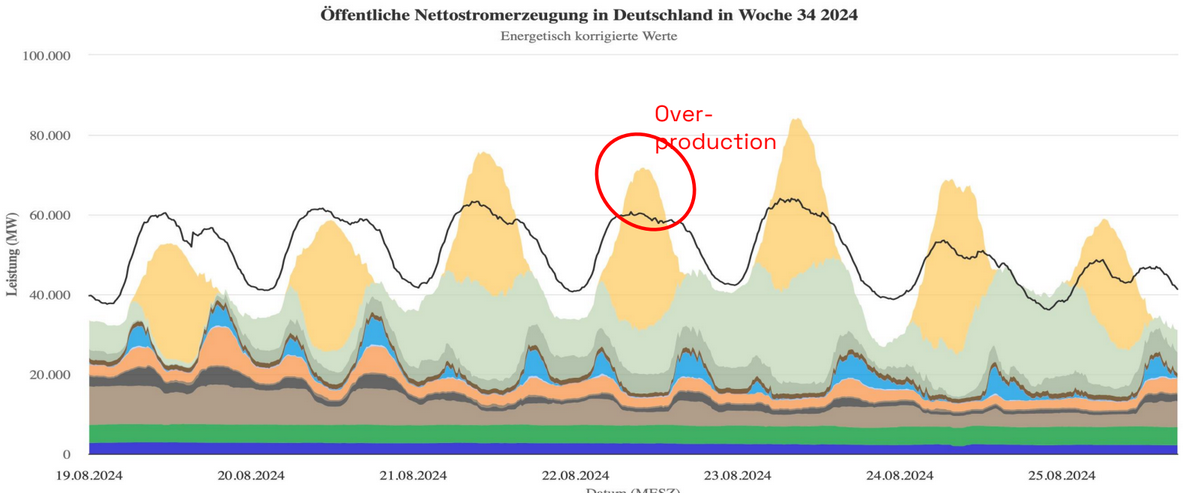 Public Electricity Overproduction in Germany at Week 34 in 2024) (Source: terahash.space)
Energy providers and policymakers are beginning to see Bitcoin miners not as adversaries, but as potential partners. Why? Because miners are uniquely flexible energy consumers, able to dial their electricity usage up or down in minutes. This flexibility is becoming increasingly valuable as grids struggle to balance the unpredictable supply and demand dynamics of a renewable-powered future.
How Bitcoin Mining Works with the Power Grid
 The Cost to Mine One Bitcoin in Every Country (Source: 911metallurgist.com)
Unlike factories or data centers, Bitcoin miners can respond almost instantly to changes in electricity prices or grid needs. When the grid is under stress-say, during a heatwave or an unexpected outage — miners can power down, freeing up electricity for homes, hospitals, and critical infrastructure.
This process is known as “demand response”. Traditionally, demand response programs rely on large industrial users agreeing to reduce consumption during emergencies. Bitcoin miners, however, are ideal candidates: their operations are location-agnostic, automated, and can be paused without significant loss.
For example, in Texas (USA), where the grid is independent and weather can be extreme, mining companies have partnered with grid operators to curtail their power use during peak demand. In June 2023, a major mining operation voluntarily shut down enough capacity to supply tens of thousands of homes, helping prevent blackouts during a heatwave.
Absorbing Surplus Energy and Supporting Renewables
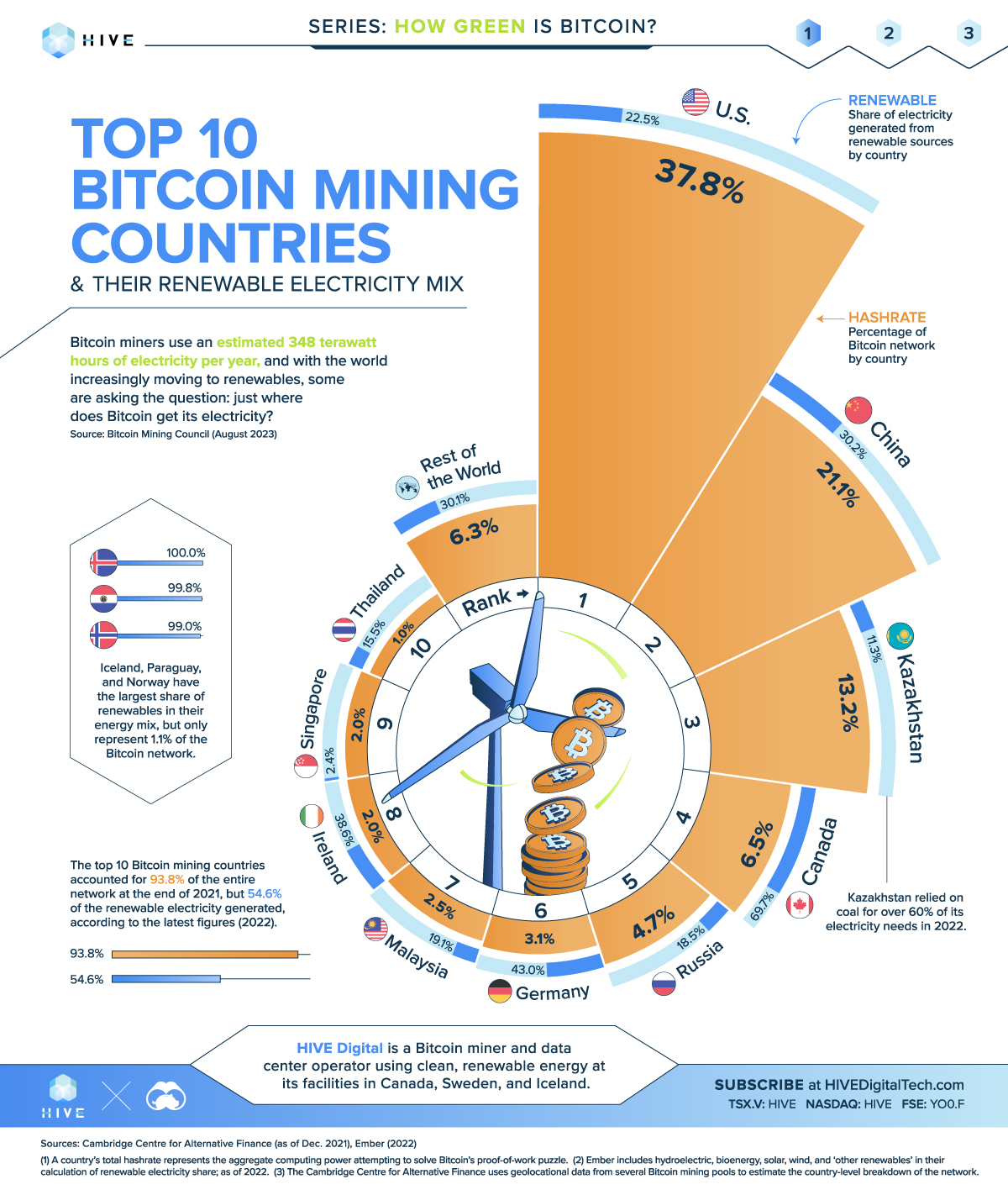 Top 10 Bitcoin Mining Countries (Sources: hivedigitaltech.com / Cambridge Centre for Alternative Finance 2021 / Ember 2022)
One of the biggest challenges with renewable energy is intermittency. Solar and wind farms often produce more power than the grid needs during sunny or windy periods, leading to “curtailment” — where clean energy is wasted because there’s nowhere for it to go.
Bitcoin miners can act as “energy sponges”, soaking up this surplus electricity. By colocating with renewable plants, miners provide a steady, flexible demand that makes these projects more financially viable. In places like Iceland and Canada, miners are already tapping into abundant hydro and geothermal power, ensuring that no clean energy goes unused.
This isn’t just theoretical. In Texas, miners have helped stabilize the grid by absorbing excess wind and solar power during off-peak hours, then powering down when demand spikes. This dynamic load balancing makes it easier to integrate more renewables into the grid, accelerating the transition to a low-carbon future.
Enhancing Grid Stability and Resilience
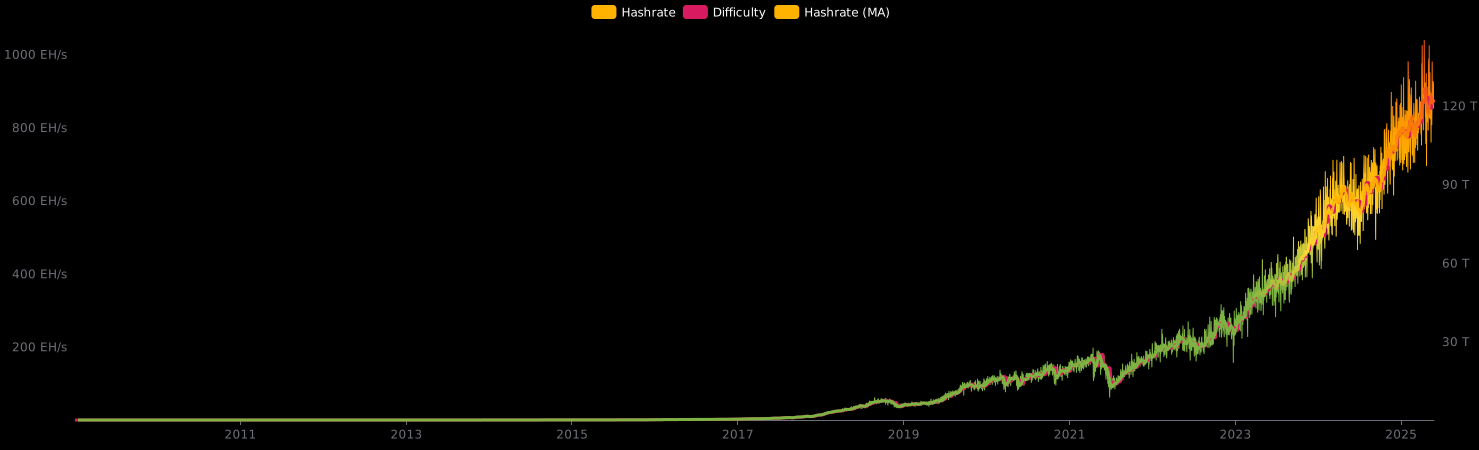 Hashrate (Source: Suriyaa’s screenshot from mempool.space)
Grid operators must constantly balance supply and demand to maintain stable frequency and voltage. Even small mismatches can cause equipment damage or blackouts. Bitcoin miners’ ability to rapidly adjust their consumption provides a valuable buffer, smoothing out fluctuations and reducing the need for expensive “peaker” plants that only run during emergencies.
During grid emergencies, miners can shut down almost instantly, redirecting power to where it’s needed most. This responsiveness has already proven its worth: in February 2021, during Texas’s infamous winter storm, some mining companies curtailed operations to help keep the lights on for millions of residents.
By participating in demand response programs, miners not only support grid stability but also earn additional revenue, creating a win-win scenario for both the energy and crypto sectors.
Economic and Environmental Implications
 Miners (Source: Suriyaa’s screenshot from mempool.space)
The integration of Bitcoin mining into energy grids has far-reaching economic and environmental benefits:
- Market stabilization: Miners’ willingness to buy electricity at low prices helps stabilize markets and can lower costs for other consumers.
- Reduced waste: By absorbing surplus renewable energy, miners decrease curtailment and associated carbon emissions.
- Rural development: Decentralized mining supports microgrids and rural electrification, bringing investment to remote areas.
- Incentivizing renewables: Steady demand from miners makes new renewable projects more bankable, encouraging further investment.
Of course, challenges remain. Critics worry that miners could drive up local electricity prices or increase baseline demand, offsetting environmental gains. Policymakers must ensure that mining aligns with broader grid and climate goals through smart regulation and market design.
Challenges and Controversies
 Bitcoin Hashrate (Sources: blockchain.com / Voronoi)
The debate over Bitcoin mining’s role in the energy transition is far from settled. While miners can provide valuable grid services, their overall energy consumption remains significant. Some argue that the resources devoted to mining could be better spent elsewhere.
Key questions include:
- Can mining provide enough stability to justify new renewable generation projects?
- Will increased mining activity raise electricity prices for other users?
- How can regulators maximize the benefits of mining while minimizing its drawbacks?
The answers will depend on careful policy design, transparent data, and ongoing collaboration between the crypto and energy sectors.
Conclusion: Bitcoin Mining’s Role in the Clean Energy Transition
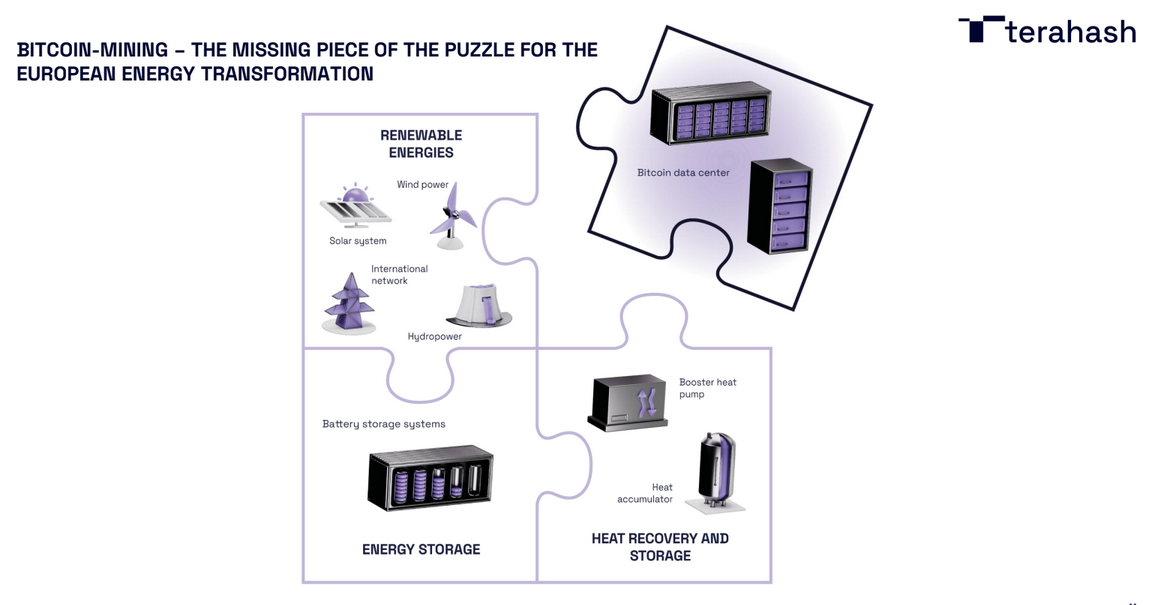 The Missing Puzzle in European Energy Transformation (Source: terahash.space)
As the world races to decarbonize, the need for flexible, responsive energy consumers has never been greater. Bitcoin mining, once seen as an environmental villain, is emerging as an unexpected ally in the push for grid stability and renewable integration.
By absorbing surplus energy, participating in demand response, and supporting rural electrification, miners are helping to build a more resilient and sustainable power system. With the right incentives and oversight, Bitcoin mining could play a pivotal role in the clean energy transition — proving that sometimes, solutions come from the most unlikely places.
Give some love to the author
Suggestions for improvement? Feel free to send me your feedback via email.
Did you liked this article? Feel free to buy me a coffee or keep the site up and running.
Want to see more stories like this? Follow for insights at the intersection of technology and sustainability!
Donate with Bitcoin Lightning:
Resources
- MARA - The Economic Impact of Bitcoin Mining: Jobs, Investment, & Energy Stability
- adesso - Energy transition and Bitcoin mining: an efficient way to stabilise the grid?
- Crypto Council for Innovation - How is renewable energy stabilizing the grid for Bitcoin mining?
- Binance Square - Bitcoin Mining Stabilizes Power Grids and Boosts Renewable Energy Utilization
- CoinShares - How Bitcoin Miners are revolutionizing America’s Electrical Grid
- Reddit - Opinions on bitcoin actually stabilizing the grid?
- TradingView - Bitcoin miners as energy buyers, explained
- Miningstore - A Response to “Crypto Mining for a More Stable Grid?”
- Pantheon Mining - Bitcoin’s Role in Transforming Global Energy Systems
- Elsevier / Social Science Research Network (SSRN) - Economic integration of Bitcoin mining in renewable energy and grid management