Meditations by Marcus Aurelius
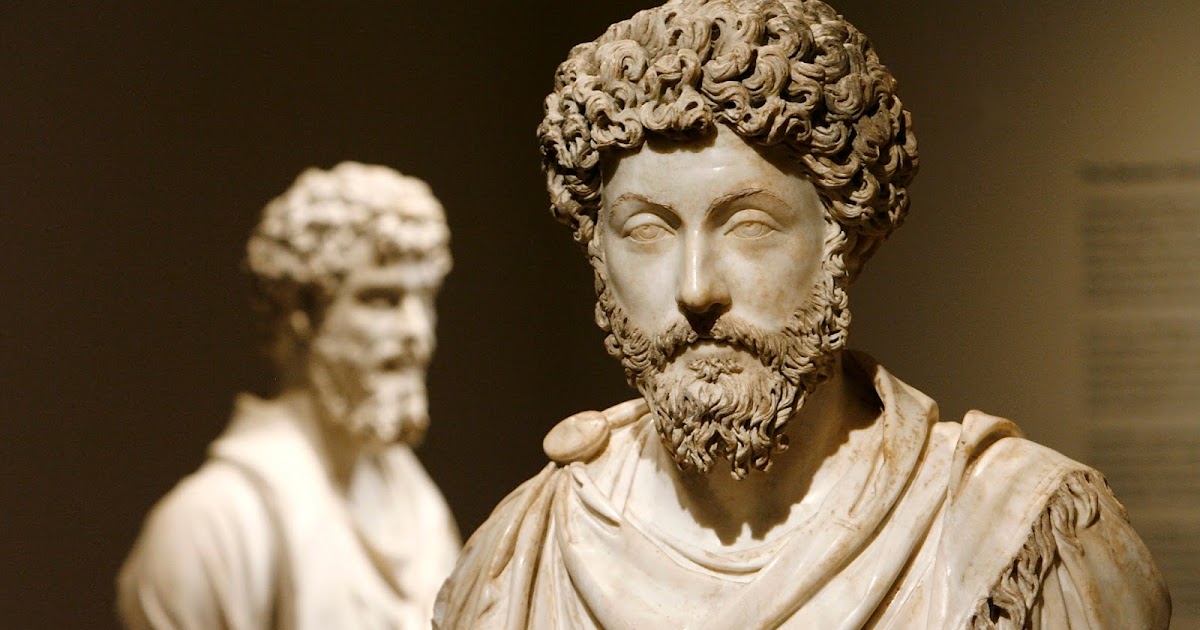
Marcus Aurelius’ “Meditations” is a timeless masterpiece of Stoic philosophy, offering profound insights into living a virtuous and meaningful life. This collection of personal writings, composed between 170 and 180 AD while the Roman Emperor was on military campaigns, provides a window into the mind of a powerful leader grappling with universal human challenges.
Key Themes
1. Impermanence and Acceptance
Aurelius frequently reflects on the transient nature of life and the universe, emphasizing the importance of accepting impermanence and not becoming overly attached to temporary things.
2. Rationality and Control
The emperor advocates for maintaining a rational mind and controlling our reactions to external events. He stresses that while we cannot control what happens to us, we can control how we respond.
3. Duty and Responsibility
Aurelius emphasizes the importance of fulfilling one’s duties and responsibilities, both to oneself and to society.
4. Self-Reflection and Self-Improvement
The “Meditations” is essentially a work of self-reflection, with Aurelius critically examining his own thoughts and behaviors. He emphasizes the importance of self-awareness and constant monitoring of one’s mind and actions to live virtuously.
5. Living in the Present
Aurelius implores readers to remain steady in the present moment, embracing the unknown and having confidence in their ability to handle future challenges.
6. Harmony with Nature and the Cosmos
A recurring theme is the importance of living in harmony with nature and the universe, believing that understanding the natural order leads to a virtuous and content life.
7. Mortality and the Brevity of Life
Aurelius uses the inevitability of death as a motivating factor to live a meaningful life and not waste time on trivialities.
Structure and Style
“Meditations” is divided into 12 books, each containing short, highly charged comments drawing on Stoic philosophy. The writing style is simplified and straightforward, reflecting Aurelius’ Stoic perspective.
Key Takeaways
- Focus on what you can control: your thoughts, emotions, and actions..
- Treat all tasks with utmost care and focus on the process.
- Be grateful for challenges as they provide valuable learning opportunities.
- Make an effort to have positive thoughts.
- Recognize the limits of our control and focus energy on what we can influence.